




Can a vegetable cleaner remove pesticides?
 Dec 24, 2025|
 Can a Vegetable Cleaner Remove Pesticides?
In today's world, the safety and health of our food have become a growing concern. Pesticides are widely used in agriculture to protect crops from pests and diseases, but their residues on vegetables can pose potential risks to human health. As a supplier of Vegetable Cleaner, I often get asked the question: Can a vegetable cleaner remove pesticides? In this blog post, I will explore this topic in detail and provide you with the scientific facts.
The Problem of Pesticide Residues on Vegetables
Pesticides are chemicals that are used to control pests, weeds, and diseases in agriculture. While they play an important role in ensuring food security by increasing crop yields, they can also leave residues on the surface and inside of vegetables. These residues can be harmful to human health, especially if consumed over a long period of time.
Some of the potential health risks associated with pesticide residues include:
- Cancer: Certain pesticides have been linked to an increased risk of cancer, such as leukemia, lymphoma, and breast cancer.
- Neurological disorders: Pesticides can affect the nervous system and cause neurological disorders, such as Parkinson's disease, Alzheimer's disease, and attention deficit hyperactivity disorder (ADHD).
- Reproductive problems: Pesticides can interfere with the reproductive system and cause infertility, miscarriage, and birth defects.
- Allergic reactions: Some people may be allergic to certain pesticides, which can cause skin rashes, itching, and respiratory problems.
How Do Vegetable Cleaners Work?
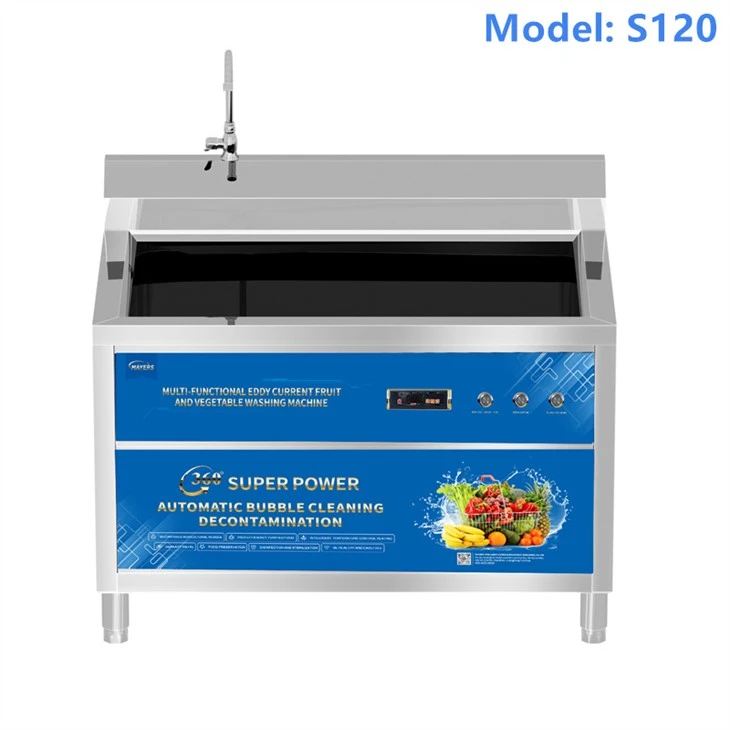
Vegetable cleaners are designed to remove dirt, debris, and pesticide residues from the surface of vegetables. There are several types of vegetable cleaners available on the market, including:
- Ultrasonic cleaners: These cleaners use high-frequency sound waves to create tiny bubbles that implode on the surface of the vegetables, removing dirt and pesticide residues.
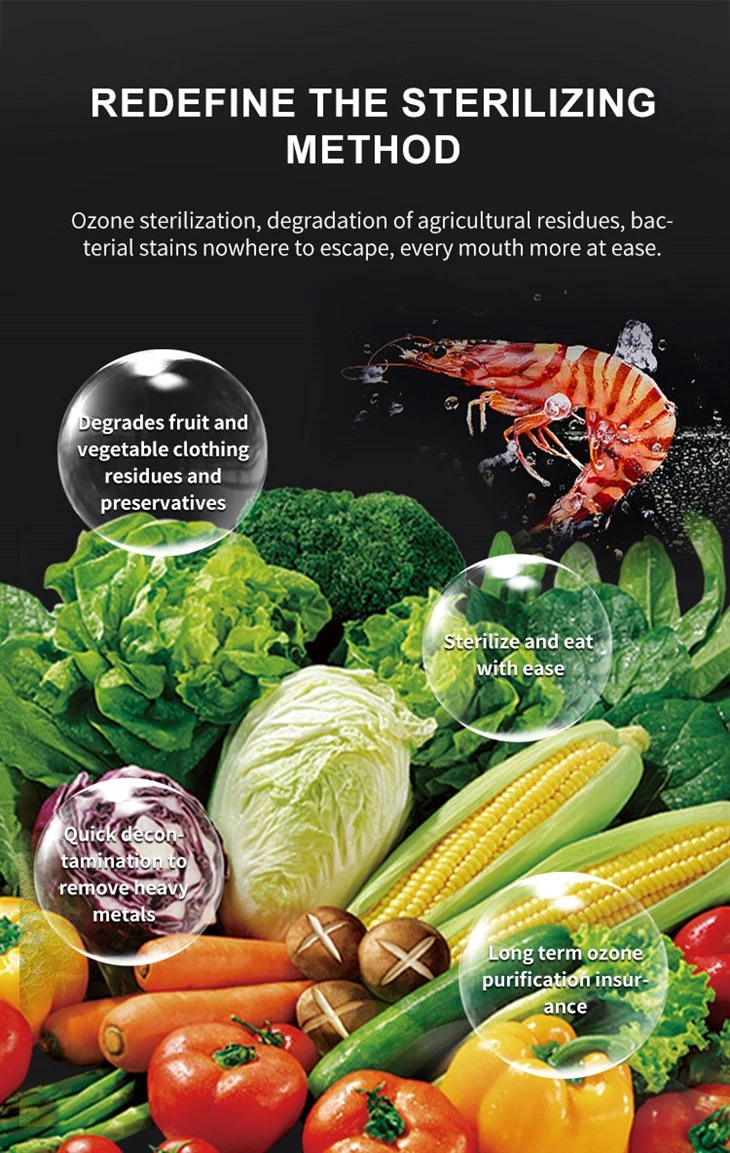
- Ozone cleaners: Ozone is a powerful oxidizing agent that can break down pesticide molecules and kill bacteria and viruses. Ozone cleaners use ozone gas to clean vegetables.
- Electrolytic cleaners: These cleaners use an electrolytic process to generate hydroxyl radicals, which can break down pesticide molecules and remove dirt and debris from the surface of the vegetables.
- Water-based cleaners: These cleaners use water and natural detergents to clean vegetables. They are gentle on the vegetables and do not leave any chemical residues.
Scientific Studies on the Effectiveness of Vegetable Cleaners
There have been several scientific studies conducted on the effectiveness of vegetable cleaners in removing pesticide residues. Here are some of the key findings:
- A study published in the Journal of Agricultural and Food Chemistry found that an ultrasonic cleaner was able to remove up to 90% of the pesticide residues from the surface of apples and cucumbers.
- Another study published in the International Journal of Food Science and Technology found that an ozone cleaner was able to reduce the levels of pesticide residues on the surface of tomatoes and cucumbers by up to 80%.
- A study published in the Journal of Environmental Science and Health found that an electrolytic cleaner was able to remove up to 95% of the pesticide residues from the surface of spinach and lettuce.
- A study published in the Food Control journal found that a water-based cleaner was able to remove up to 70% of the pesticide residues from the surface of strawberries and grapes.
These studies suggest that vegetable cleaners can be effective in removing pesticide residues from the surface of vegetables. However, it is important to note that the effectiveness of a vegetable cleaner may depend on several factors, such as the type of pesticide, the type of vegetable, and the cleaning method used.
Limitations of Vegetable Cleaners
While vegetable cleaners can be effective in removing pesticide residues from the surface of vegetables, they have some limitations. Here are some of the key limitations:
- They may not be able to remove all types of pesticides: Some pesticides are more difficult to remove than others, especially those that are absorbed into the tissue of the vegetables.
- They may not be able to remove pesticides that are present inside the vegetables: Vegetable cleaners can only remove pesticides that are present on the surface of the vegetables. They cannot remove pesticides that are present inside the vegetables.
- They may damage the vegetables: Some cleaning methods, such as ultrasonic cleaning and ozone cleaning, can be harsh on the vegetables and may damage their texture and flavor.
Tips for Using Vegetable Cleaners
To get the most out of your vegetable cleaner, here are some tips to keep in mind:
- Read the instructions carefully: Before using your vegetable cleaner, make sure you read the instructions carefully and follow them closely.
- Choose the right cleaning method: Different types of vegetables may require different cleaning methods. For example, delicate vegetables, such as lettuce and spinach, may require a gentle cleaning method, while tougher vegetables, such as carrots and potatoes, may require a more powerful cleaning method.
- Clean the vegetables thoroughly: Make sure you clean the vegetables thoroughly, including the stems, leaves, and roots. You may need to rinse the vegetables several times to remove all the dirt and debris.
- Use the right amount of water and cleaning solution: Make sure you use the right amount of water and cleaning solution recommended by the manufacturer. Using too much or too little water or cleaning solution may affect the effectiveness of the cleaning process.
- Store the vegetables properly: After cleaning the vegetables, make sure you store them properly in the refrigerator to keep them fresh and prevent the growth of bacteria and mold.
Conclusion
In conclusion, vegetable cleaners can be effective in removing pesticide residues from the surface of vegetables. However, they have some limitations and may not be able to remove all types of pesticides or pesticides that are present inside the vegetables. It is important to use a vegetable cleaner in combination with other food safety practices, such as washing vegetables thoroughly with water, peeling vegetables, and buying organic produce whenever possible.
As a supplier of Vegetable Cleaner, I am committed to providing our customers with high-quality and effective vegetable cleaners that can help them keep their food safe and healthy. If you are interested in learning more about our vegetable cleaners or would like to place an order, please feel free to contact us for a purchasing negotiation. We look forward to hearing from you!
References
- Journal of Agricultural and Food Chemistry
- International Journal of Food Science and Technology
- Journal of Environmental Science and Health
- Food Control journal