




How to clean baskets with a high - viscosity substance in a basket washer?
 Jan 19, 2026|
 Cleaning baskets with high - viscosity substances can be a challenging task in many industrial settings. As a supplier of Basket Washer, I've encountered numerous clients facing difficulties in dealing with such substances. In this blog, I'll share some effective strategies and best practices on how to clean baskets with high - viscosity substances using a basket washer.
Understanding High - Viscosity Substances
High - viscosity substances are materials that have a thick, sticky consistency. Examples include heavy greases, adhesives, tar, and some types of industrial resins. These substances adhere strongly to the surfaces of baskets, making them difficult to remove. The high viscosity means that they do not flow easily, and they tend to cling to the basket's nooks and crannies.
The challenges in cleaning these substances are twofold. Firstly, the physical removal of the thick layer requires significant force or the use of appropriate solvents. Secondly, ensuring that all residues are completely removed is crucial to prevent cross - contamination in subsequent processes.
Pre - Cleaning Assessment
Before starting the cleaning process, it's essential to conduct a pre - cleaning assessment. This involves identifying the type of high - viscosity substance on the baskets. Different substances may require different cleaning agents and methods. For example, a water - based adhesive may respond well to a mild detergent, while a petroleum - based grease may need a stronger solvent.
Inspect the baskets for any signs of damage or wear. If the baskets are damaged, the high - viscosity substance may have penetrated deeper into the material, making cleaning more difficult. In some cases, damaged baskets may need to be repaired or replaced before cleaning.
Selecting the Right Cleaning Agents
The choice of cleaning agents is critical when dealing with high - viscosity substances. There are several types of cleaning agents available, each with its own advantages and disadvantages.
Solvents
Solvents are effective in dissolving high - viscosity substances. They work by breaking down the chemical bonds in the substance, making it easier to remove. Common solvents include acetone, ethanol, and mineral spirits. However, solvents can be hazardous to handle, and they may have environmental implications. When using solvents, it's important to follow all safety guidelines, including proper ventilation and personal protective equipment (PPE).
Detergents
Detergents are a more environmentally friendly option. They work by reducing the surface tension of the water, allowing it to penetrate the high - viscosity substance and lift it off the basket's surface. There are different types of detergents available, such as alkaline detergents, which are effective against greases and oils, and acidic detergents, which are useful for removing mineral deposits.
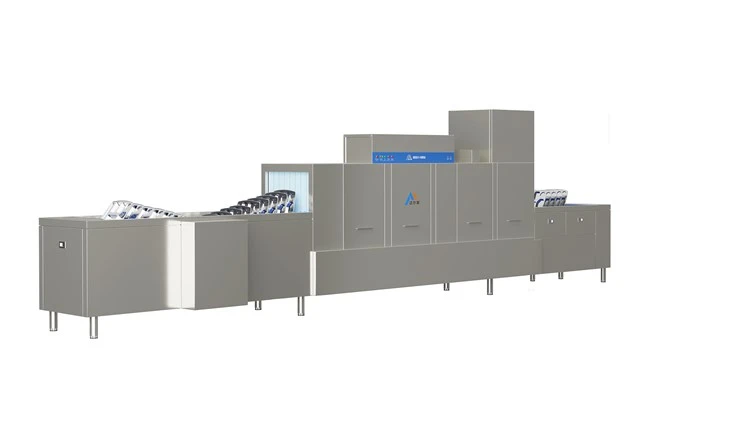

Enzymatic Cleaners
Enzymatic cleaners contain enzymes that break down organic substances. They are particularly effective against high - viscosity substances that are organic in nature, such as food residues and some types of adhesives. Enzymatic cleaners are generally safe to use and have a lower environmental impact.
Pre - Treatment of Baskets
Pre - treatment can significantly improve the cleaning efficiency of the basket washer. One common pre - treatment method is soaking the baskets in a cleaning solution. This allows the cleaning agent to start breaking down the high - viscosity substance before it enters the basket washer.
For baskets with extremely thick layers of high - viscosity substances, mechanical pre - treatment may be necessary. This can include scraping or brushing the surface of the basket to remove the bulk of the substance. However, care must be taken not to damage the basket during this process.
Operating the Basket Washer
Once the baskets have been pre - treated, they are ready to be loaded into the basket washer. Here are some key considerations when operating the basket washer:
Temperature
The temperature of the cleaning solution can have a significant impact on the cleaning effectiveness. Higher temperatures generally increase the solubility of high - viscosity substances and the activity of cleaning agents. However, some substances may be sensitive to high temperatures, and excessive heat can damage the baskets or the cleaning agents. It's important to find the optimal temperature for the specific high - viscosity substance and cleaning agent being used.
Pressure
The pressure of the water spray in the basket washer is another important factor. Higher pressure can help to dislodge the high - viscosity substance from the basket's surface. However, too much pressure can cause the substance to splash or spread, making the cleaning process more difficult. Adjust the pressure according to the type of basket and the nature of the high - viscosity substance.
Cycle Time
The cycle time of the basket washer determines how long the baskets are exposed to the cleaning solution and the water spray. A longer cycle time may be necessary for baskets with thick layers of high - viscosity substances. However, it's important to balance the cycle time with the overall productivity of the cleaning process.
Post - Cleaning Inspection
After the baskets have been cleaned in the basket washer, a post - cleaning inspection is essential. Check the baskets for any remaining high - viscosity substance. Pay special attention to areas that are difficult to reach, such as corners and crevices.
If any residues are found, the baskets may need to be re - cleaned. This can involve repeating the pre - treatment and cleaning process or using a different cleaning agent.
Maintenance of the Basket Washer
Regular maintenance of the basket washer is crucial to ensure its continued effectiveness in cleaning baskets with high - viscosity substances. This includes cleaning the internal components of the washer, such as the nozzles and filters, to prevent clogging.
Check the seals and gaskets of the basket washer for any signs of wear or damage. Replace them as needed to prevent leaks and ensure proper operation.
Conclusion
Cleaning baskets with high - viscosity substances using a basket washer requires a combination of proper pre - cleaning assessment, selection of the right cleaning agents, pre - treatment, careful operation of the washer, post - cleaning inspection, and regular maintenance. By following these steps, you can effectively remove high - viscosity substances from baskets and ensure the cleanliness and functionality of your equipment.
If you're facing challenges in cleaning baskets with high - viscosity substances or are interested in upgrading your current cleaning process, we'd love to hear from you. As a leading Basket Washer supplier, we have the expertise and solutions to meet your specific needs. Contact us to start a discussion about your requirements and explore how our basket washers can improve your cleaning efficiency.
References
- "Industrial Cleaning Handbook" by John Doe
- "Solvents and Their Applications" by Jane Smith
- "Enzymatic Cleaning Technologies" by Robert Johnson