




What are the best materials to use in kitchen engineering?
 Jan 09, 2026|
 In the realm of kitchen engineering, the selection of materials is a critical decision that significantly impacts the functionality, durability, and overall success of a kitchen project. As a seasoned kitchen engineering supplier, I've witnessed firsthand how the right materials can transform a kitchen from a basic workspace into a high - performance culinary haven. In this blog, I'll explore the best materials to use in kitchen engineering, drawing on my years of experience and industry knowledge.
Countertop Materials
Countertops are the workhorses of the kitchen, enduring daily wear and tear, heat, moisture, and stains. When it comes to choosing the best countertop material, several options stand out.
Granite
Granite is a natural stone that has long been a favorite in kitchen engineering. It is incredibly durable, resistant to scratches, heat, and stains. Its unique veining and color variations add a touch of elegance and luxury to any kitchen. Granite countertops are also relatively easy to maintain, requiring only regular cleaning with a mild detergent and occasional sealing to prevent staining. However, granite can be quite heavy, which may require additional support during installation. It can also be expensive, depending on the quality and rarity of the stone.
Quartz
Quartz countertops are engineered stones made from a combination of natural quartz crystals and resins. They offer many of the same benefits as granite, including durability, scratch resistance, and heat resistance. Quartz is non - porous, which means it is highly resistant to stains and bacteria, making it a hygienic choice for the kitchen. It also comes in a wide range of colors and patterns, allowing for greater design flexibility. Unlike granite, quartz does not require sealing, which makes maintenance even easier. However, quartz can be more expensive than some other countertop materials, and it may not have the same natural look as granite.
Stainless Steel
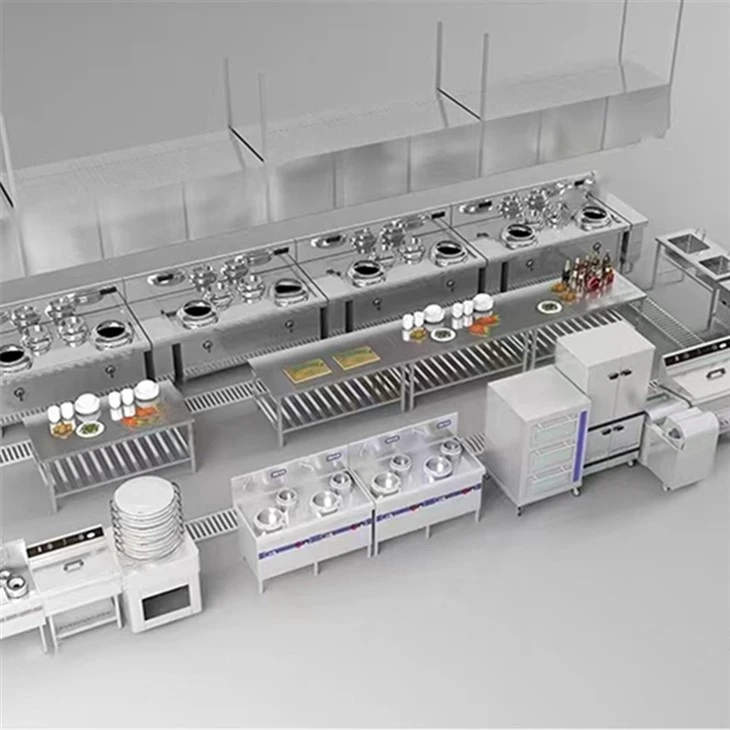
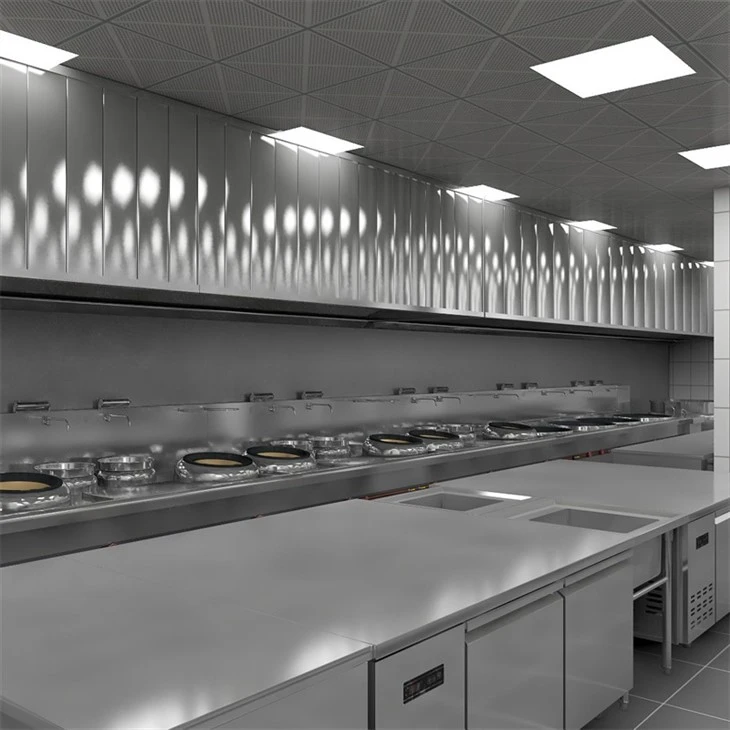
Stainless steel countertops are a popular choice in commercial kitchens and are increasingly being used in residential kitchens as well. They are extremely durable, resistant to heat, scratches, and corrosion. Stainless steel is also easy to clean and sanitize, making it a hygienic option for food preparation. It has a modern, industrial look that can complement a variety of kitchen styles. However, stainless steel can show fingerprints and scratches, which may require regular maintenance to keep it looking its best. It can also be noisy when items are placed on it, but this can be mitigated by using rubber or felt pads.
Cabinet Materials
Cabinets are an essential part of the kitchen, providing storage space and contributing to the overall aesthetic of the room. The choice of cabinet material can affect the durability, appearance, and cost of the cabinets.
Solid Wood
Solid wood cabinets are a classic choice that offers timeless beauty and durability. Wood has a natural warmth and charm that can add character to any kitchen. Hardwoods such as oak, maple, and cherry are popular choices for cabinetry because they are strong, dense, and resistant to wear. Solid wood cabinets can be stained or painted to match the kitchen's decor, and they can last for generations with proper care. However, solid wood cabinets can be expensive, and they may require more maintenance than other cabinet materials. They can also be susceptible to warping and cracking if exposed to excessive moisture or temperature changes.
Plywood
Plywood is a cost - effective alternative to solid wood cabinets. It is made from thin layers of wood veneer glued together, which gives it strength and stability. Plywood cabinets are less likely to warp or crack than solid wood cabinets, and they can be finished with a variety of materials, such as laminate or wood veneer, to achieve a desired look. Plywood is also more environmentally friendly than solid wood because it uses less wood and can be made from sustainable sources. However, plywood may not have the same high - end look as solid wood cabinets, and it may not be as durable in the long run.
MDF (Medium - Density Fiberboard)
MDF is a composite material made from wood fibers and resin. It is smooth, dense, and uniform in texture, which makes it ideal for painting or applying veneers. MDF cabinets can have a high - end appearance at a lower cost than solid wood cabinets. They are also less likely to warp or split than solid wood, and they can be cut and shaped easily, allowing for more intricate designs. However, MDF is not as strong as solid wood or plywood, and it can absorb moisture, which may cause it to swell or warp if not properly sealed.
Flooring Materials
The kitchen floor is subjected to heavy foot traffic, spills, and moisture, so it is important to choose a flooring material that is durable, slip - resistant, and easy to clean.
Ceramic Tile
Ceramic tile is a popular choice for kitchen flooring because it is durable, water - resistant, and easy to clean. It comes in a wide range of colors, sizes, and patterns, allowing for endless design possibilities. Ceramic tile is also slip - resistant, which makes it a safe option for the kitchen. It can withstand heavy foot traffic and is resistant to scratches and stains. However, ceramic tile can be cold underfoot, and it may crack if heavy objects are dropped on it. It can also be difficult to install, especially if the floor is uneven.
Vinyl
Vinyl flooring is a cost - effective option that offers many benefits for the kitchen. It is water - resistant, easy to clean, and comfortable to stand on. Vinyl comes in a variety of styles, including sheet vinyl and vinyl tiles, and can mimic the look of other materials such as wood, stone, or tile. It is also slip - resistant, which makes it a safe choice for the kitchen. However, vinyl may not be as durable as some other flooring materials, and it can be damaged by sharp objects. It may also fade over time if exposed to direct sunlight.
Hardwood
Hardwood flooring can add warmth and beauty to the kitchen. It is durable and can last for many years with proper care. Hardwood has a natural look that can complement a variety of kitchen styles. However, hardwood is not as water - resistant as other flooring materials, so it may not be the best choice in areas prone to spills or high humidity. It can also be more expensive than some other flooring options, and it may require regular refinishing to maintain its appearance.
Backsplash Materials
A backsplash is not only a functional element in the kitchen, protecting the walls from splashes and stains, but also a design feature that can enhance the overall look of the kitchen.
Tile
Tile is the most common backsplash material, and for good reason. It is available in a wide range of colors, sizes, shapes, and materials, including ceramic, porcelain, glass, and stone. Tile is easy to clean, water - resistant, and durable. It can be used to create a variety of patterns and designs, from simple subway tiles to intricate mosaic patterns. Glass tile, in particular, has a reflective quality that can make the kitchen look brighter and more spacious. However, tile can be difficult to install, especially if the pattern is complex, and grout lines can collect dirt and stains over time.
Stainless Steel
Stainless steel backsplashes have a modern, industrial look that can add a contemporary touch to the kitchen. They are easy to clean, resistant to heat and moisture, and can be custom - fabricated to fit any kitchen layout. Stainless steel backsplashes can also be combined with other materials, such as tile or wood, for a more unique look. However, like stainless steel countertops, they can show fingerprints and scratches, which may require regular maintenance.
Conclusion
Choosing the best materials for a kitchen engineering project is a complex decision that requires careful consideration of factors such as durability, functionality, aesthetics, and cost. As a kitchen engineering supplier, I can provide expert advice and high - quality materials to help you create the perfect kitchen for your needs. Whether you're working on a Commercial Kitchen Project or a residential kitchen renovation, I'm here to assist you every step of the way.
If you're interested in learning more about our kitchen engineering materials or would like to discuss your project in detail, please don't hesitate to reach out. We're eager to engage in procurement discussions and find the best solutions for your kitchen.
References
- "Kitchen Design: A Comprehensive Guide" by John Doe
- "Materials for the Modern Kitchen" by Jane Smith
- Industry reports from the National Kitchen and Bath Association