




What are the best practices for kitchen engineering in small spaces?
 Jan 08, 2026|
 Hey there! As a supplier in the kitchen engineering game, I've seen my fair share of small - space kitchen projects. And let me tell you, designing a functional kitchen in a tight spot is both a challenge and an opportunity. In this blog, I'm gonna share some of the best practices for kitchen engineering in small spaces.
1. Efficient Layout Planning
The layout is the backbone of any kitchen, and it's even more crucial in small spaces. You gotta make every square inch count. One of the most popular layouts for small kitchens is the galley layout. It consists of two parallel countertops with a walkway in between. This layout is super efficient because it creates a clear work triangle between the sink, stove, and refrigerator.
Another great option is the L - shaped layout. It's flexible and can fit nicely into a corner. You can use one leg for food prep and the other for cooking. This layout also provides a bit more counter space compared to the galley layout.
When planning the layout, you also need to think about traffic flow. You don't want people bumping into each other while they're trying to cook. Keep the main walkway clear and make sure there's enough space to open cabinet doors and appliance doors without blocking the path.
2. Smart Storage Solutions
Storage is a big issue in small kitchens. But with some smart solutions, you can maximize the available space. Pull - out drawers are a game - changer. They allow you to access items at the back of the cabinet easily. You can install them in base cabinets for storing pots, pans, and utensils.
Wall - mounted shelves are also a great option. They free up counter space and can be used to store spices, cookbooks, or small appliances. You can even use magnetic strips to hang knives and other metal utensils on the wall.
For corner cabinets, consider using a lazy Susan. It's a rotating shelf that makes it easy to reach items in the corner. There are also corner pull - out drawers that can be a great alternative if you don't like the lazy Susan.
3. Space - Saving Appliances
In a small kitchen, every appliance needs to earn its keep. Look for appliances that are compact but still have all the features you need. For example, a combination microwave - convection oven can save a lot of space compared to having separate appliances.
A slim dishwasher can fit into a small space under the counter. And if you don't have room for a full - size refrigerator, you can consider a mini - fridge or a beverage cooler.
When choosing appliances, also think about their energy efficiency. Energy - efficient appliances not only save you money on your utility bills but also help the environment.
4. Lighting Design
Proper lighting can make a small kitchen feel bigger and more inviting. You need a combination of task lighting, ambient lighting, and accent lighting.
Task lighting is essential for food prep. Install under - cabinet lights above the countertops. They'll illuminate the work surface and make it easier to see what you're doing.
Ambient lighting sets the overall mood of the kitchen. You can use a ceiling - mounted fixture or recessed lights for this. Make sure the light is bright enough but not too harsh.
Accent lighting can add a touch of style to your kitchen. You can use LED strip lights under the cabinets or behind the backsplash to create a warm and inviting atmosphere.
5. Color and Material Selection
The right colors and materials can make a small kitchen look more spacious. Light colors, such as white, cream, and light gray, reflect light and make the space feel bigger. You can paint the walls, cabinets, and countertops in light colors.
For materials, choose smooth and reflective surfaces. Glossy countertops and backsplashes can bounce light around the room. And if you're using tile, large - format tiles can give the illusion of a larger space compared to small - format tiles.
6. Multi - Functional Furniture
Multi - functional furniture can be a great addition to a small kitchen. A kitchen island with built - in storage and a breakfast bar can serve as a dining area and a food prep station. You can also use a fold - down table that can be stored away when not in use.
Bar stools that can be tucked under the counter are another great option. They don't take up much space when not in use and can provide extra seating when needed.
7. Collaboration with Professionals
If you're planning a small - space kitchen project, it's a good idea to collaborate with professionals. Architects and kitchen designers have the expertise to create a layout that works for your space and your needs. They can also help you choose the right materials and appliances.
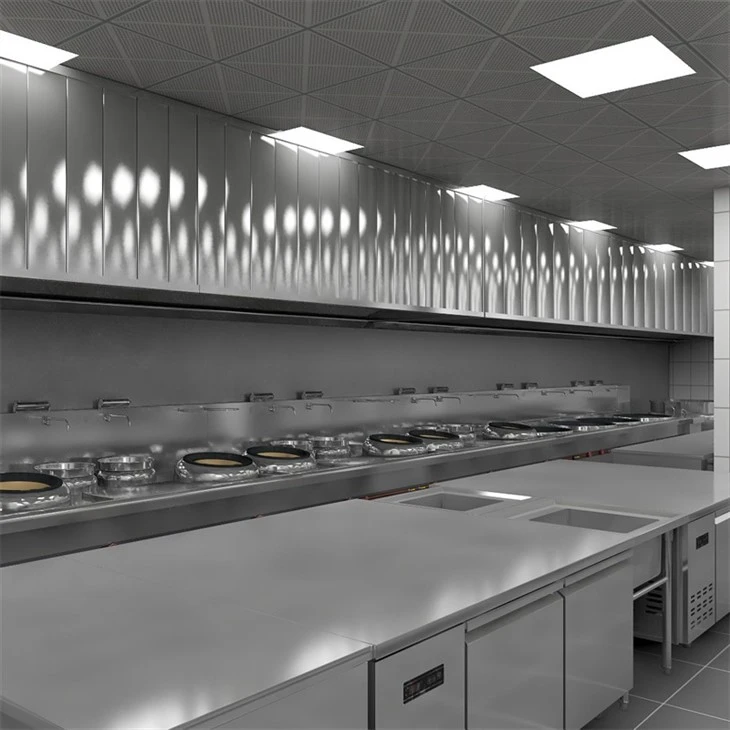
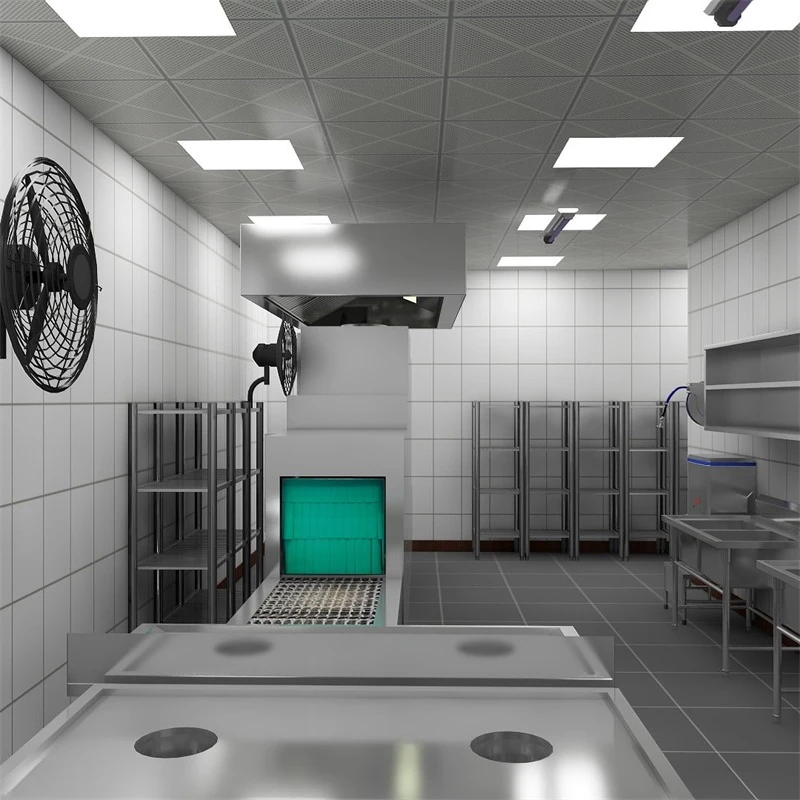
As a kitchen engineering supplier, I've worked on many Commercial Kitchen Project. I've seen firsthand how important it is to have a team of experts on board. We can provide you with high - quality products and professional advice to make your small - space kitchen project a success.
Why Choose Us?
We understand the unique challenges of small - space kitchen engineering. Our team of experts has years of experience in designing and supplying kitchen solutions for small spaces. We offer a wide range of products, from space - saving appliances to smart storage solutions.
We also provide personalized service. We'll work with you to understand your needs and budget and come up with a customized solution for your kitchen. Whether you're renovating your home kitchen or setting up a commercial kitchen in a small space, we've got you covered.
If you're interested in our products and services, don't hesitate to get in touch. We're here to help you create the perfect small - space kitchen. Just reach out to us, and we'll start the conversation about your project. Let's work together to turn your small kitchen into a functional and beautiful space.
References
- "Kitchen Design: Creating the Perfect Space" by Kitchen Design Institute
- "Small Space Living: Tips and Tricks for Efficient Homes" by Home Living Magazine
- "Appliance Buying Guide" by Consumer Reports