




What are the installation requirements for a basket washer?
 Jan 12, 2026|
 When it comes to industrial cleaning, a Basket Washer is an indispensable tool for many businesses. As a dedicated Basket Washer supplier, I've had the privilege of working with numerous clients to ensure their cleaning processes are efficient and effective. In this blog post, I'll share the installation requirements for a Basket Washer, guiding you through the essential steps to ensure a seamless setup.
Location and Space
The first consideration for installing a Basket Washer is the location. It's crucial to choose a spot that is well-ventilated and has easy access to utilities such as water, electricity, and drainage. The area should also be large enough to accommodate the machine and provide sufficient clearance for operators to load and unload baskets safely.
Typically, a Basket Washer requires a flat, level surface to ensure stable operation. Uneven floors can cause the machine to vibrate excessively, leading to premature wear and tear on components. Before installation, it's advisable to check the floor for any irregularities and make necessary adjustments.
In terms of space, you'll need to account for the dimensions of the Basket Washer itself, as well as additional space for maintenance and access to controls. A general rule of thumb is to leave at least 3 feet of clearance around the machine on all sides. This will allow operators to move freely and perform routine maintenance tasks without obstruction.
Electrical Requirements
Basket Washers are powered by electricity, so it's essential to ensure that the electrical supply meets the machine's specifications. Before installation, consult the manufacturer's documentation to determine the voltage, amperage, and phase requirements of the Basket Washer.
It's recommended to have a dedicated electrical circuit installed for the Basket Washer to prevent overloading and ensure stable operation. The circuit should be protected by a suitable circuit breaker or fuse to safeguard against electrical faults. Additionally, the electrical wiring should be installed by a qualified electrician to comply with local electrical codes and regulations.
In some cases, a Basket Washer may require a three-phase electrical supply. This is common for larger, industrial-grade machines that have higher power requirements. If your facility does not have a three-phase electrical system, you may need to consult with an electrical contractor to install one.
Water Supply and Drainage
A reliable water supply is essential for the proper functioning of a Basket Washer. The machine typically requires a continuous flow of clean water to rinse and clean the baskets effectively. Before installation, ensure that the water supply is adequate in terms of pressure and flow rate.
The water supply should be connected to the Basket Washer using a suitable pipe or hose. It's important to use high-quality materials that are resistant to corrosion and can withstand the water pressure. Additionally, a water filter should be installed to remove any impurities or debris from the water, preventing damage to the machine's components.
Proper drainage is equally important to prevent water from pooling around the Basket Washer. The machine should be connected to a drain that can handle the volume of water discharged during the cleaning process. The drain should be properly sized and sloped to ensure efficient water flow. It's also advisable to install a trap to prevent sewer gases from entering the room.
Ventilation
Basket Washers generate steam and fumes during the cleaning process, so adequate ventilation is necessary to maintain a safe and comfortable working environment. The installation area should be equipped with a ventilation system that can effectively remove the steam and fumes from the room.
A local exhaust ventilation system is often recommended for Basket Washer installations. This system captures the steam and fumes at the source and exhausts them outside the building. The ventilation system should be designed to meet the specific requirements of the Basket Washer and comply with local ventilation codes and regulations.
Installation and Assembly
Once the location, utilities, and ventilation have been prepared, it's time to install and assemble the Basket Washer. The installation process typically involves the following steps:
- Unpacking and Inspection: Carefully unpack the Basket Washer and inspect all components for any damage or missing parts. Contact the supplier immediately if you notice any issues.
- Positioning the Machine: Move the Basket Washer to the designated installation area and position it on the level surface. Ensure that the machine is aligned properly and has sufficient clearance around it.
- Connecting Utilities: Connect the electrical wiring, water supply, and drainage to the Basket Washer according to the manufacturer's instructions. Make sure all connections are secure and leak-free.
- Assembly: Assemble any additional components or accessories that are included with the Basket Washer, such as baskets, racks, or cleaning nozzles. Follow the manufacturer's assembly instructions carefully to ensure proper installation.
- Testing and Commissioning: Once the installation and assembly are complete, test the Basket Washer to ensure it is functioning properly. Run a test cycle to check the water flow, pressure, temperature, and cleaning performance. Make any necessary adjustments or repairs as needed.
Maintenance and Support
After the Basket Washer is installed and commissioned, it's important to establish a regular maintenance schedule to keep the machine in optimal condition. Regular maintenance can help prevent breakdowns, extend the lifespan of the machine, and ensure consistent cleaning performance.
The maintenance schedule should include tasks such as cleaning the machine, inspecting and replacing worn parts, lubricating moving components, and checking the electrical and plumbing connections. It's also advisable to have the Basket Washer serviced by a qualified technician at least once a year to perform a comprehensive inspection and maintenance.
As a Basket Washer supplier, we offer comprehensive maintenance and support services to our customers. Our team of experienced technicians is available to provide on-site installation, training, and troubleshooting assistance. We also stock a wide range of genuine parts and accessories to ensure quick and easy replacement in case of any breakdowns.
Conclusion
Installing a Basket Washer requires careful planning and attention to detail to ensure a successful setup. By following the installation requirements outlined in this blog post, you can ensure that your Basket Washer operates efficiently and effectively for years to come.
If you're considering purchasing a Basket Washer for your business, Basket Washer is a reliable and high-quality option. Our machines are designed to meet the diverse needs of industrial cleaning applications and are backed by our commitment to customer satisfaction.
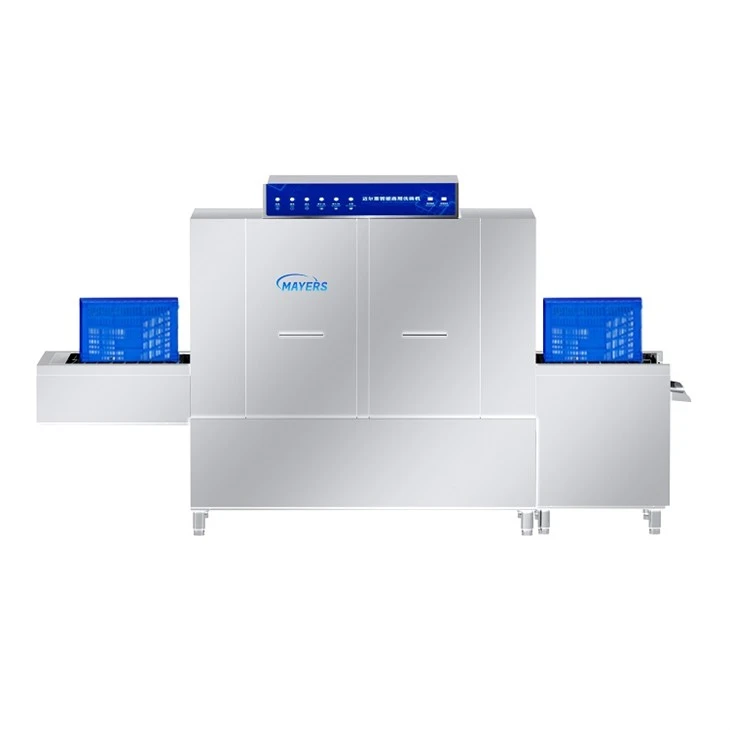
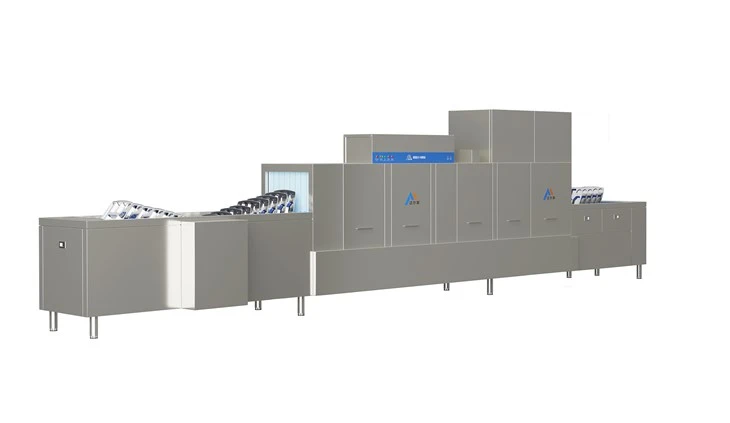
Contact us today to learn more about our Basket Washer products and services. Our sales team will be happy to assist you with your purchase and provide you with a free quote. Let us help you find the perfect Basket Washer solution for your business.
References
- Manufacturer's Installation Manuals
- Local Electrical and Plumbing Codes
- Ventilation Standards and Regulations