




How to choose the right flooring for a kitchen in kitchen engineering?
 Jan 21, 2026|
 Hey there! As a supplier in the kitchen engineering biz, I get asked a ton about how to pick the right flooring for a kitchen. It's a crucial decision, and I'm here to break it down for you in a way that's easy to understand. So, let's dive right in!
1. Consider the Kitchen Traffic
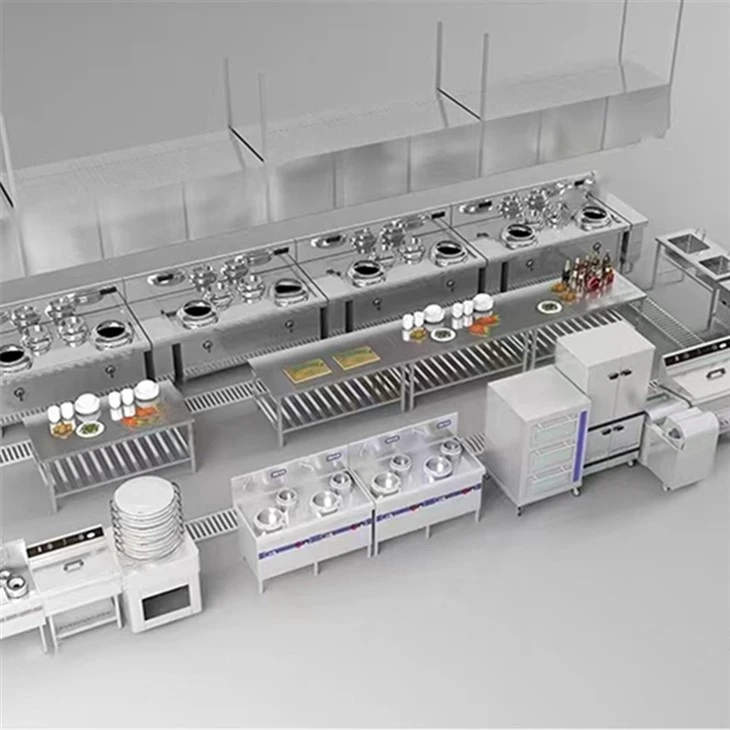
First off, you've got to think about how much foot traffic your kitchen is going to handle. Is it a small home kitchen where just a couple of people cook occasionally? Or is it a Commercial Kitchen Project like a busy restaurant kitchen with servers, chefs, and dishwashers rushing around all day?
For a low - traffic home kitchen, you've got more options. You can go for something a bit more delicate, like cork flooring. It's soft underfoot, helps with insulation, and gives a warm, natural look. But in a high - traffic commercial kitchen, cork is out of the question. You need something tough as nails. Vinyl composite tile (VCT) is a popular choice here. It's super durable, can withstand heavy loads, and is relatively easy to clean.
2. Think About Water Resistance
Kitchens are wet places. There's spills from cooking, water from washing dishes, and maybe even a little bit of splashing from the sink. So, water resistance is a must - have for your kitchen flooring.
Laminate flooring might look nice, but it's not the best in a kitchen. Even if it's labeled 'water - resistant,' it can still swell and warp if exposed to a lot of moisture. On the other hand, ceramic tile is a winner when it comes to water resistance. It's non - porous, so water just sits on top and can be easily wiped away. Porcelain tile is even better as it's denser and more resistant to water absorption.
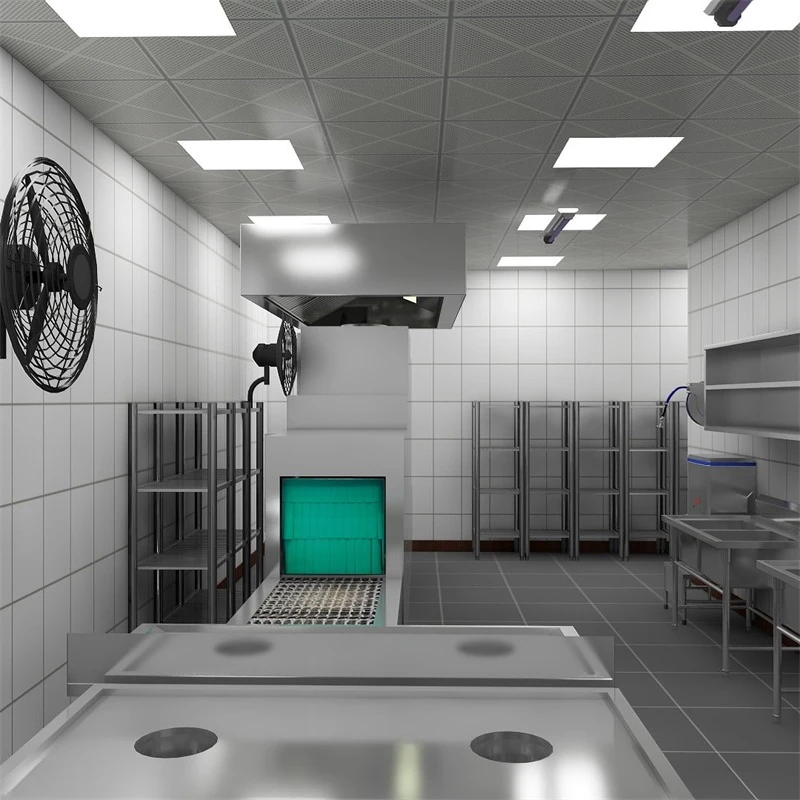
If you're in a situation where a lot of water is going to be on the floor, like in a commercial kitchen with regular floor washing, you might want to consider seamless epoxy flooring. It forms a smooth, waterproof surface that can handle a lot of moisture.
3. Evaluate Slip Resistance
Safety first, right? Kitchen floors can get slippery, whether it's from water, oil, or food spills. So, slip resistance is a major factor when choosing flooring.
Natural stone like marble might look gorgeous, but it can be quite slippery when wet. If you really love the look of marble, you can get it treated with a slip - resistant finish. However, there are other options that are naturally slip - resistant. Rubber flooring is a great choice. It has a textured surface that provides good grip, even when wet. And it's also comfortable to stand on for long periods, which is a plus for chefs.
Concrete floors can also be made slip - resistant. You can add a special aggregate to the surface during installation, or use a slip - resistant coating after the floor is cured.
4. Maintenance and Cleaning
Let's face it, no one wants to spend hours cleaning their kitchen floor. So, you need to choose a flooring material that's easy to maintain.
Vinyl flooring is a breeze to clean. You can just sweep or vacuum regularly and mop with a mild detergent. It doesn't stain easily, and any spills can be quickly wiped up.
Hardwood floors look great, but they're a bit more high - maintenance in the kitchen. They need to be sealed to protect against water damage, and if you spill something acidic, it can stain the wood. You also have to be careful not to scratch the surface.
Tile floors are relatively easy to clean, but you need to pay attention to the grout. Grout can get dirty and discolored over time. You can use a grout sealer to make it easier to clean, but it still needs regular scrubbing to keep it looking good.
5. Aesthetics
Of course, you want your kitchen to look good! The flooring you choose should complement the overall design of the kitchen.
If you have a modern kitchen with sleek cabinets and stainless - steel appliances, you might want to go for a polished concrete floor or a large - format ceramic tile. They give a contemporary, industrial look.
For a traditional kitchen, hardwood or ceramic tiles with a classic pattern can be a great choice. They add warmth and charm to the space.
If you're going for a rustic look, look at reclaimed wood flooring or stone tiles with a rough, textured finish.
6. Cost
Your budget plays a big role in your flooring decision. Different materials have different price points, and you need to find something that fits your wallet.
Linoleum is one of the more affordable options. It's made from natural materials, is durable, and comes in a variety of colors and patterns. It's a great choice for a budget - conscious homeowner.
On the other end of the spectrum, natural stone like granite or marble can be quite expensive. Not only is the material costly, but installation can also be pricey due to the specialized skills required.
Mid - range options include vinyl and laminate. They offer a good balance between cost and performance.
Shaping Your Ideal Kitchen: The Final Steps
Picking the right flooring for your kitchen is a process that involves considering traffic, water resistance, slip resistance, maintenance, aesthetics, and cost. As a kitchen engineering supplier, I've seen firsthand how the right flooring can make or break a kitchen. Whether it's a cozy home kitchen or a bustling Commercial Kitchen Project, getting the flooring right is key.
If you're still not sure which flooring is best for your kitchen, don't hesitate to reach out. We're here to help you make the most informed decision and get your kitchen looking and functioning at its best. Let's talk about your project and find the perfect flooring solution together.
References
- "Flooring for Kitchens: A Comprehensive Guide." Home Improvement Magazine.
- "Commercial Kitchen Design and Flooring Considerations." Restaurant Business Journal.