




What are the best practices for kitchen engineering in a tight budget?
 Jan 21, 2026|
 When it comes to kitchen engineering on a tight budget, as a kitchen engineering supplier, I've witnessed firsthand the challenges and opportunities that come with creating functional and efficient kitchens without breaking the bank. In this blog post, I'll share some of the best practices that I've found to be effective in delivering high - quality kitchen engineering solutions within a limited budget.
1. Comprehensive Planning and Design
The first step in any kitchen engineering project, especially when working with a tight budget, is a well - thought - out plan. A detailed design phase can save a significant amount of money in the long run. Start by understanding the specific needs of the kitchen. Is it a commercial kitchen for a restaurant, a cafeteria, or a catering service? Each type of kitchen has different requirements in terms of equipment, layout, and workflow.
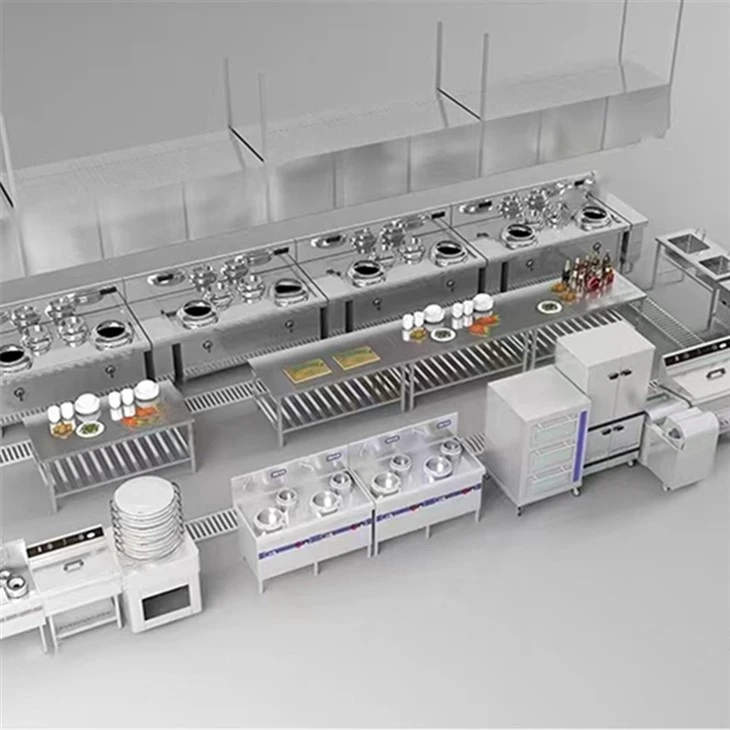
For instance, in a restaurant kitchen, the flow of food from the receiving area to the preparation stations, cooking areas, and finally to the serving area is crucial. A well - designed layout can reduce the time and effort required to move ingredients and finished dishes, increasing efficiency. During the planning phase, create a scale model or a digital rendering of the kitchen. This allows you to visualize the space and make adjustments before construction begins. You can experiment with different equipment placements and storage solutions to optimize the use of space.
When designing on a budget, consider the future growth of the business. If there are plans to expand the menu or increase the customer capacity, design the kitchen in a way that allows for easy modifications. This could mean leaving some extra space for additional equipment or planning for modular installations. For more insights on commercial kitchen design, you can refer to our Commercial Kitchen Project.
2. Strategic Equipment Selection
Equipment is one of the most significant expenses in a kitchen engineering project. However, with careful selection, you can get high - quality equipment that meets your needs without overspending.
First, prioritize essential equipment. Identify the must - have items for your kitchen operations. For example, in a restaurant kitchen, a reliable range, a refrigerator, and a dishwasher are non - negotiable. Look for equipment that offers multiple functions. A combination oven, for instance, can perform tasks such as baking, roasting, and steaming, reducing the need for multiple single - function appliances.
Consider purchasing used equipment. There are many reputable suppliers that sell refurbished commercial kitchen equipment at a fraction of the cost of new items. Make sure to thoroughly inspect the used equipment before purchasing. Check for any signs of wear and tear, and ask for a warranty or a guarantee.
Another option is to lease equipment instead of buying it outright. Leasing can be a cost - effective solution, especially for expensive items. It allows you to spread the cost over time and may also include maintenance and repair services.
3. Energy - Efficient Solutions
Energy costs can be a significant burden on a kitchen's budget. Implementing energy - efficient solutions can not only reduce your monthly utility bills but also contribute to a more sustainable kitchen.
Invest in energy - efficient equipment. Look for appliances with the Energy Star label, which indicates that they meet strict energy - efficiency guidelines. For example, Energy Star - rated refrigerators use less energy to keep food cold, and energy - efficient ranges and ovens heat up faster and use less fuel.
Install energy - efficient lighting. LED lights are a great choice for kitchens. They consume less energy, last longer, and produce less heat compared to traditional incandescent bulbs. You can also install motion - sensor lights in areas where lighting is not always needed, such as storage closets.
Proper insulation is also crucial for energy efficiency. Insulate the walls, ceilings, and floors of the kitchen to prevent heat loss in the winter and heat gain in the summer. This can reduce the workload on your heating and cooling systems, resulting in lower energy costs.
4. Smart Storage Solutions
Effective storage is essential in a kitchen, especially when space is limited. Well - designed storage solutions can help you organize your ingredients, equipment, and supplies, making it easier to find what you need and reducing the risk of waste.
Install custom - made storage units. Instead of buying off - the - shelf cabinets that may not fit your space perfectly, have cabinets built to your specifications. This allows you to make the most of every inch of available space. Use pull - out drawers and shelves to maximize accessibility.
Utilize vertical space. Install tall cabinets or shelving units that reach up to the ceiling. You can use this space to store less frequently used items, such as extra cookware or bulk ingredients.
Implement a first - in, first - out (FIFO) system for food storage. This ensures that older items are used first, reducing the likelihood of food spoilage. Label all storage containers clearly to make it easy to identify what's inside.
5. Skilled Labor and Project Management
Hiring skilled labor is crucial for the success of a kitchen engineering project. While it may be tempting to cut costs by hiring inexperienced workers, this can lead to costly mistakes and delays in the long run.
Look for contractors and installers who have experience in kitchen engineering. Check their references and portfolios to ensure that they have a track record of delivering high - quality work. A skilled team will be able to install your equipment correctly, minimizing the risk of breakdowns and ensuring that everything functions properly.
Effective project management is also essential. Appoint a project manager who can oversee the entire project, from start to finish. The project manager should be able to coordinate with different contractors, suppliers, and stakeholders, ensuring that the project stays on schedule and within budget. They can also identify potential problems early on and come up with solutions to avoid costly delays.
6. Maintenance and Training
Once your kitchen is up and running, regular maintenance is crucial to keep everything in good working condition. A well - maintained kitchen is more efficient and less likely to experience breakdowns, which can be costly to repair.
Create a maintenance schedule for all your equipment. This should include regular cleaning, lubrication, and inspection of parts. Train your staff on basic maintenance tasks, such as cleaning the filters on the range hood or checking the seals on the refrigerator doors.
In addition to equipment maintenance, provide your staff with proper training on how to use the equipment safely and efficiently. This can reduce the risk of accidents and damage to the equipment. Well - trained staff are also more productive, which can contribute to the overall success of your kitchen operations.
7. Cost - Effective Material Choices
The choice of materials in a kitchen can have a significant impact on the budget. When selecting materials for countertops, flooring, and walls, look for options that are durable, easy to clean, and cost - effective.
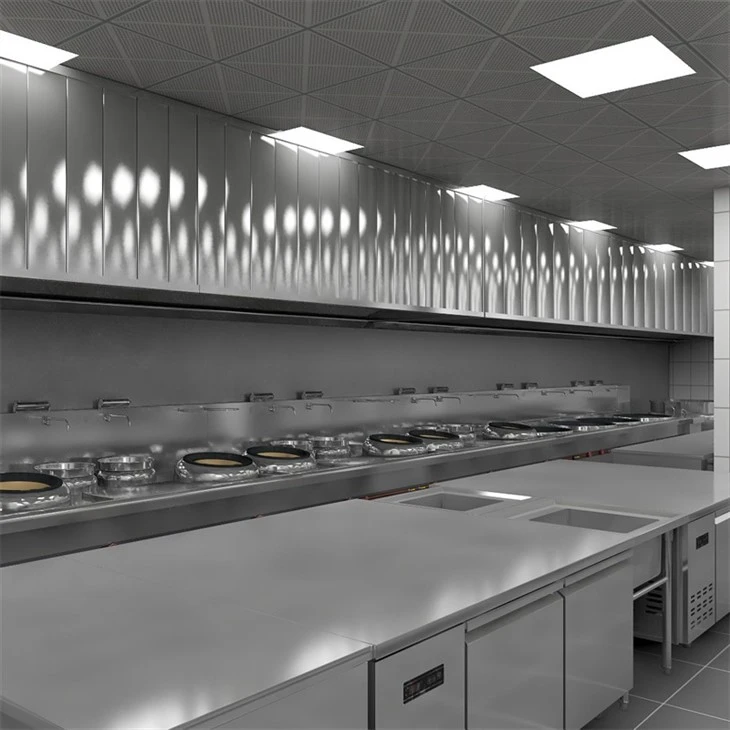
For countertops, consider materials such as laminate or stainless steel. Laminate countertops are available in a wide range of colors and patterns and are relatively inexpensive. Stainless steel is a popular choice for commercial kitchens because it is durable, resistant to heat and stains, and easy to clean.
For flooring, vinyl or rubber flooring can be a good option. They are affordable, slip - resistant, and easy to maintain. Ceramic tiles are also a popular choice, but they can be more expensive to install.
When it comes to wall materials, painted drywall or stainless steel panels can be cost - effective solutions. They are easy to clean and can give your kitchen a modern look.
In conclusion, achieving a successful kitchen engineering project on a tight budget is possible with careful planning, strategic decision - making, and a focus on efficiency. By following these best practices, you can create a functional and efficient kitchen that meets your needs without exceeding your budget.
If you're interested in learning more about our kitchen engineering solutions or would like to discuss a potential project, we encourage you to reach out to us for a procurement consultation. We're here to help you create the perfect kitchen for your business.
References
- "Commercial Kitchen Design: A Comprehensive Guide" by John Doe, Published by Kitchen Design Press, 2020.
- "Energy - Efficient Kitchen Equipment: Best Practices" by Jane Smith, Energy Efficiency Journal, Vol. 15, Issue 2, 2021.
- "Storage Solutions for Commercial Kitchens" by Mark Johnson, Food Service Magazine, December 2020.