




What if the conveyor dishwasher leaks water?
 Dec 18, 2025|
 Hey there! As a supplier of conveyor dishwashers, I've seen my fair share of issues, and one of the most common problems that can throw a wrench in the works is a water leak. So, let's dig into what could happen if your conveyor dishwasher starts leaking water and what you can do about it.
The Immediate Impact of a Leak
First off, a water leak from your conveyor dishwasher can create a real mess. Water on the floor is a major slip-and-fall hazard for your staff. You know how busy a commercial kitchen can get, and a wet floor is just asking for trouble. Not only can it lead to injuries, but it can also result in potential liability issues for your business.
Beyond the safety concerns, a leak can also damage the surrounding equipment and the flooring. Water can seep into electrical components, causing short circuits and potentially ruining expensive equipment. And if the water sits on the floor for too long, it can cause the flooring to warp or rot, leading to costly repairs.
Possible Causes of the Leak
There are several reasons why a conveyor dishwasher might start leaking water. One of the most common causes is a damaged or worn-out seal. Over time, the seals around the doors, pumps, and hoses can break down, allowing water to escape. This can happen due to regular wear and tear, or it could be the result of improper installation or maintenance.
Another possible cause is a clogged or damaged drain. If the drain is blocked, water can back up and overflow, causing a leak. This can be caused by food particles, debris, or even mineral buildup. In some cases, a damaged drain pipe can also lead to a leak.
A malfunctioning pump can also be to blame. If the pump is not working properly, it can cause water to leak from the dishwasher. This could be due to a faulty impeller, a broken motor, or a problem with the pump's seals.
How to Identify the Source of the Leak
Identifying the source of the leak is the first step in fixing the problem. Start by checking the obvious places, such as the doors, hoses, and pumps. Look for any signs of water damage, such as wet spots, rust, or corrosion. You can also try running the dishwasher and watching for where the water is coming from.
If you can't find the source of the leak, it might be a good idea to call in a professional. A trained technician will have the tools and expertise to diagnose the problem and make the necessary repairs. They can also perform a thorough inspection of the dishwasher to ensure that there are no other issues that could lead to future leaks.
Fixing the Leak
Once you've identified the source of the leak, you can start working on fixing it. If the leak is due to a damaged seal, you can usually replace the seal yourself. Most hardware stores carry replacement seals for conveyor dishwashers, and they're relatively easy to install. Just make sure to follow the manufacturer's instructions carefully.
If the leak is due to a clogged or damaged drain, you'll need to clear the blockage or replace the drain pipe. This can be a bit more complicated, so it might be a good idea to call in a professional if you're not comfortable doing it yourself.

If the leak is due to a malfunctioning pump, you'll need to replace the pump. This is a more complex repair, and it's usually best to leave it to a professional. A trained technician will be able to install the new pump correctly and ensure that it's working properly.
Preventing Future Leaks
Once you've fixed the leak, it's important to take steps to prevent future leaks. Regular maintenance is key. Make sure to clean the dishwasher regularly, including the drains, filters, and pumps. This will help prevent clogs and keep the dishwasher running smoothly.
You should also inspect the seals, hoses, and pumps regularly for any signs of wear or damage. If you notice any problems, replace the parts as soon as possible. This will help prevent leaks from occurring in the first place.
Another important step is to make sure that the dishwasher is installed correctly. Improper installation can lead to leaks and other problems. If you're not sure how to install the dishwasher correctly, it's best to hire a professional.
Our Solutions
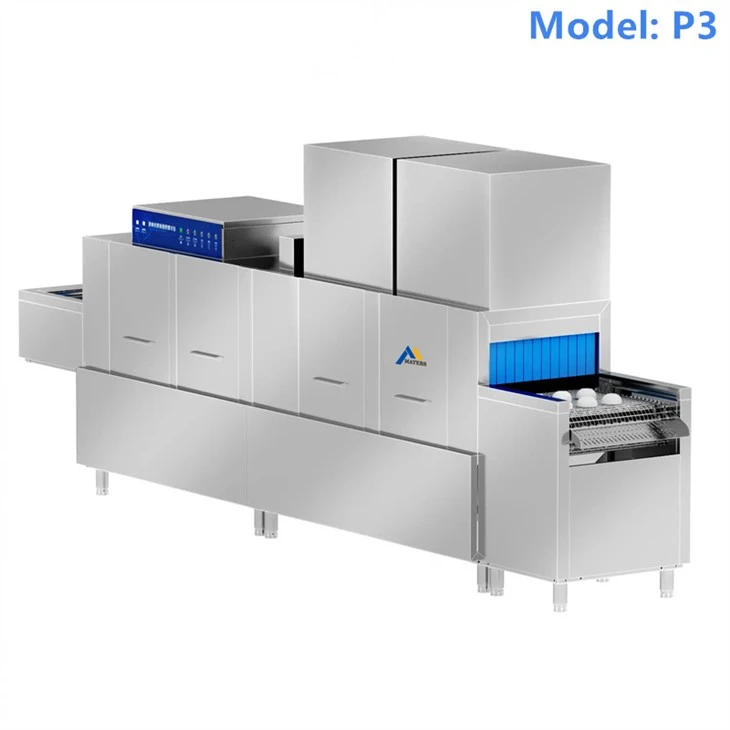
At our company, we offer a range of high-quality conveyor dishwashers that are designed to be reliable and efficient. We also offer a variety of Custom Commercial Dishwasher options to meet your specific needs. Our Mayers SUS304 Commercial & Industrial Dishwasher: High-Temp Disinfection Modular Cleaning Equipment is a great choice for businesses that need a powerful and durable dishwasher. And our Tunnel-Style Dishwasher is perfect for high-volume operations.
If you're experiencing problems with your conveyor dishwasher, or if you're in the market for a new one, don't hesitate to contact us. Our team of experts is here to help you find the right solution for your business. We can provide you with more information about our products, answer any questions you might have, and even offer installation and maintenance services.
Conclusion
A water leak from your conveyor dishwasher can be a major headache, but it doesn't have to be. By understanding the possible causes of the leak, knowing how to identify the source, and taking steps to fix and prevent future leaks, you can keep your dishwasher running smoothly and avoid costly repairs. And if you need help, don't hesitate to reach out to us. We're here to help you keep your business running smoothly.
If you're interested in learning more about our conveyor dishwashers or other commercial kitchen equipment, please contact us. We'd love to have a chat with you and discuss how we can meet your needs.
References
- "Commercial Dishwasher Maintenance Guide." Restaurant.org.
- "How to Fix a Leaking Dishwasher." Home Depot.