




How to save water when using a conveyor dishwasher?
 Dec 16, 2025|
 Hey there! I'm a supplier of conveyor dishwashers, and I know how important it is to save water in today's world. Not only does it help the environment, but it can also save you a ton of money in the long run. So, in this blog post, I'm going to share some tips on how to save water when using a conveyor dishwasher.
1. Choose the Right Dishwasher
First things first, picking the right dishwasher can make a huge difference in water consumption. Look for a High-Efficiency Commercial Dishwasher. These machines are designed to use less water while still getting your dishes clean. They often come with advanced features like adjustable water pressure and flow rates, which allow you to customize the water usage based on the load.
If you're running a restaurant or a hotel, a Commercial Dishwasher For Restaurants & Hotels is a great option. These dishwashers are built to handle high volumes of dishes and are optimized for water efficiency. They usually have multiple wash and rinse cycles that are carefully calibrated to use the least amount of water possible without sacrificing cleaning performance.
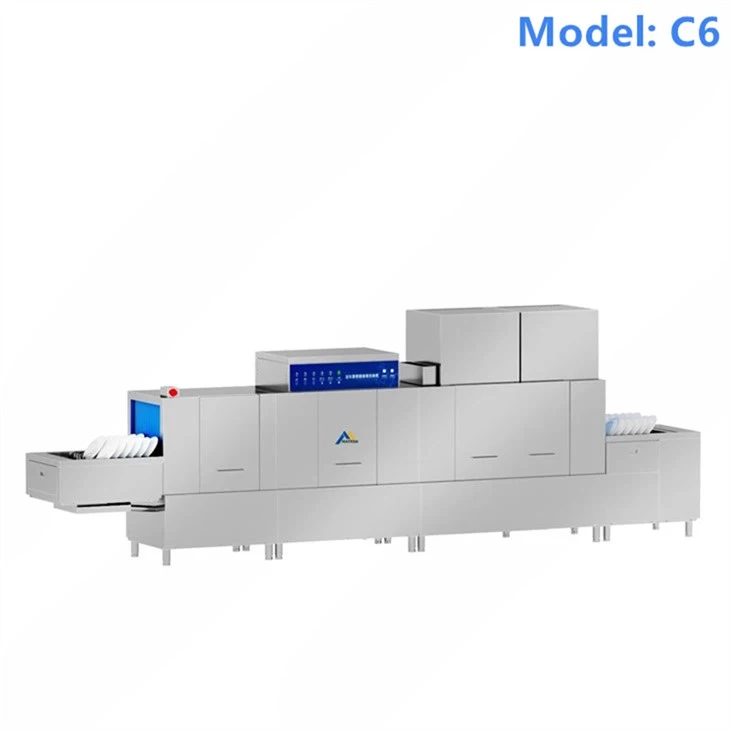
Another great choice is the Flight Conveyor Dishwasher. This type of dishwasher uses a continuous conveyor system to move dishes through the washing process. It's known for its high efficiency and can save a significant amount of water compared to traditional dishwashers.
2. Pre - Scrape Dishes Properly
Before loading your dishes into the conveyor dishwasher, make sure to pre - scrape them. This means removing any large food particles or debris from the plates, bowls, and utensils. When there's less food on the dishes, the dishwasher doesn't have to work as hard to clean them, and it can use less water in the process.
You don't need to give the dishes a full pre - wash. Just use a scraper or a brush to get rid of the big chunks of food. This simple step can reduce the overall water usage of the dishwasher by up to 20%.
3. Optimize the Loading Pattern
The way you load the dishes into the conveyor dishwasher matters. Make sure to arrange the dishes in an organized manner so that the water can reach all surfaces evenly. Overloading the dishwasher can prevent the water from flowing freely, which means the machine may need to run longer or use more water to clean the dishes properly.
On the other hand, underloading the dishwasher is also wasteful. Try to fill the dishwasher to its recommended capacity as much as possible. This ensures that you're making the most of each cycle and using the water efficiently.
4. Adjust the Water Pressure and Flow Rate
Most modern conveyor dishwashers allow you to adjust the water pressure and flow rate. By setting these parameters correctly, you can save a lot of water. If the water pressure is too high, it can waste water without necessarily improving the cleaning performance. Similarly, if the flow rate is too fast, the water may not have enough time to do its job effectively.
Start by referring to the dishwasher's manual to find the recommended settings for different types of loads. Then, experiment a bit to see if you can fine - tune the settings to use less water without compromising on the cleanliness of the dishes.
5. Reuse Rinse Water
Some conveyor dishwashers have a feature that allows you to reuse the rinse water. The rinse water is usually cleaner than the wash water, so it can be used for the pre - wash cycle. This can significantly reduce the overall water consumption of the dishwasher.
If your dishwasher doesn't have this feature, you can consider installing a water recycling system. These systems collect and treat the used water so that it can be reused in the dishwasher. While the initial investment may be a bit high, the long - term water savings can make it worth it.
6. Maintain Your Dishwasher Regularly
Regular maintenance is crucial for keeping your conveyor dishwasher running efficiently and saving water. Make sure to clean the filters regularly. Clogged filters can restrict the water flow, which forces the dishwasher to use more water to achieve the same cleaning results.
Check the nozzles for blockages as well. If the nozzles are blocked, the water won't be sprayed evenly, and the dishwasher may need to run longer or use more water to clean the dishes. Also, keep an eye on the seals and gaskets. Leaky seals can cause water to escape, leading to unnecessary water waste.
7. Train Your Staff
If you're using the conveyor dishwasher in a commercial setting, it's important to train your staff on proper water - saving techniques. Make sure they know how to pre - scrape the dishes, load the dishwasher correctly, and adjust the settings as needed.
Provide them with clear instructions and guidelines on water conservation. Encourage them to be mindful of water usage and to report any issues or leaks immediately. A well - trained staff can make a big difference in reducing the water consumption of your dishwasher.
Conclusion
Saving water when using a conveyor dishwasher is not only good for the environment but also for your bottom line. By following these tips, you can significantly reduce the water usage of your dishwasher without sacrificing the quality of the cleaning.
If you're interested in learning more about our conveyor dishwashers or want to discuss how we can help you save water in your business, don't hesitate to reach out. We're here to assist you in making the most water - efficient choices for your dishwashing needs.

References
- Various industry reports on commercial dishwasher efficiency
- Manufacturer's manuals for conveyor dishwashers